

4 Stages of Event Venue Ownership (And Why Most People Get Stuck)

Updated: May 11

If you’re thinking about starting an event venue, confusion is more common than confidence. You may feel excited about the idea, motivated to build something of your own, yet unsure where to begin o
r what to prioritize first. That uncertainty usually isn’t caused by a lack of drive. It comes from making decisions without understanding where you are in the process.
Most aspiring venue owners are exposed to advice meant for every stage of ownership all at once. One person tells you to secure a building immediately. Another says branding should come first. Someone else insists bookings should be lined up before you even open. Without context, everything feels urgent. This is where most people get stuck, usually after spending money before they understand demand, zoning, or actual operating costs.
The problem isn’t information. It’s the absence of clarity.
Event venue ownership doesn’t happen in one leap. It unfolds in stages, and each stage requires different decisions, priorities, and levels of commitment. When you don’t know your stage, you end up solving the wrong problems too early and paying for those mistakes later.
Understanding the Stages of Event Venue Ownership
Understanding the stages of event venue ownership matters because skipping steps is expensive. Many venue closures don’t happen because the idea was bad. They happen because leases were signed, renovations began, or deposits were paid before the research was done. Those early emotional decisions are often made with good intentions, but they carry long-term consequences.
Why Skipping the Stages of Event Venue Ownership Leads to Costly Mistakes
Skipping stages often leads to emotional decisions being made before research is complete. Leases get signed before zoning is confirmed. Renovations begin before demand is validated. Pricing is set before operating costs are fully understood. These decisions may feel productive in the moment, but they are difficult and expensive to undo.
There’s an important difference between emotional decisions and strategic ones. Emotional decisions sound like, “I love this space, I’ll figure it out,” or “If I don’t act now, I’ll miss my chance.” Strategic decisions are slower and grounded in evidence. They ask whether the location supports demand, whether zoning permits your use, and whether the numbers make sense. Knowing your stage helps you move intentionally instead of reactively.
Every venue owner, successful or not, moves through the same four stages.
Dream Stage

This is where the idea begins. You may be inspired by attending events, enjoying hosting, or wanting to create something of your own. At this stage, you’re exploring possibilities rather than making commitments. You’re asking whether venue ownership fits your lifestyle and long-term goals, and what type of venue you’re naturally drawn to. The purpose of the Dream stage is clarity. This is the time to think through the idea thoughtfully, without pressure to lease, build, or invest before you understand what you’re really creating.
Planning Stage

The second stage is Planning. This is where ideas meet reality. Planning is about research, not momentum. You’re studying your local market, reviewing zoning requirements, estimating startup and operating costs, and determining what pricing would be required for the venue to operate profitably. Planning answers one critical question: can this venue concept work where you live, with the resources you have? This stage replaces assumptions with evidence and helps prevent expensive missteps later.
Execution Stage
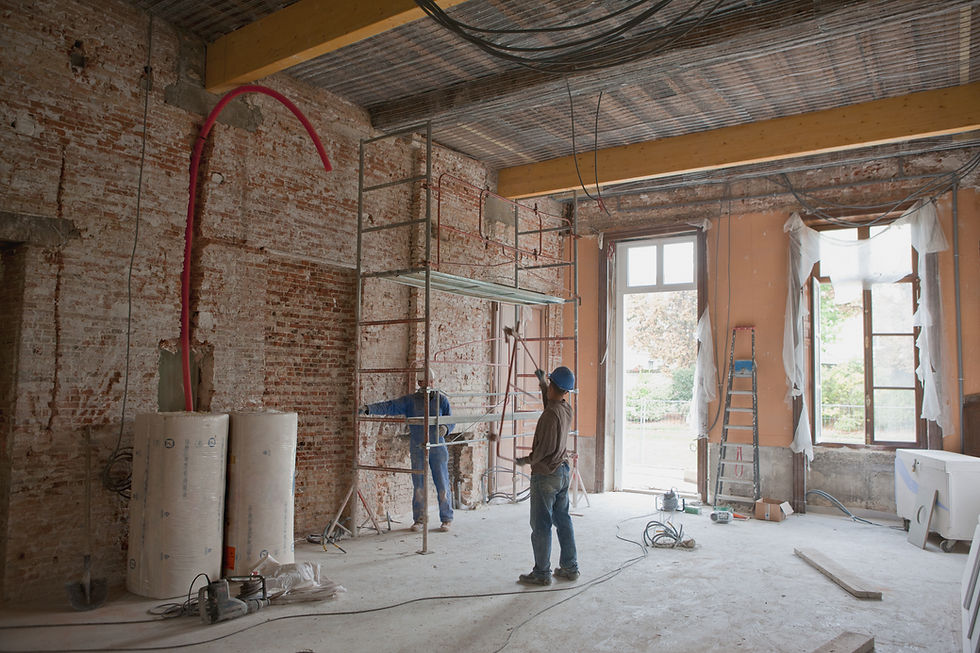
The third stage is Execution. This is where decisions become binding. Leasing, purchasing, or building a space, applying for permits, and hiring vendors all happen here. Execution is not the stage for experimentation or guessing. Mistakes made at this point are often costly and difficult to undo. This stage requires precision, not urgency. Having proper guidance during Execution matters because it helps ensure decisions are compliant, financially sound, and aligned with completed research, rather than driven by pressure or by money already invested.
Growth Stage

The fourth stage is Growth. At this point, the venue exists, but success depends on how well it operates. Growth focuses on consistency, profitability, and refinement. You’re strengthening systems, improving client experience, and ensuring the business supports you sustainably. Growth isn’t about expanding quickly. It’s about stabilizing what works before scaling.
Why Most People Get Stuck
Each stage has common mistakes that cause people to stall. In the Dream stage, many avoid research because it feels overwhelming. In Planning, some get stuck endlessly gathering information without making decisions. During Execution, rushing because money has already been spent leads to shortcuts. In Growth, owners sometimes try to scale before their operations are stable.
Getting stuck is rarely about capability. It’s usually about operating at the wrong stage.
What to Do Next
Once you know your stage, the conversation shifts. The question is no longer whether you should start an event venue. It comes down to whether you’re ready for the decisions at your current stage. That clarity removes pressure and replaces it with focus.
The most productive next step isn’t more advice or jumping ahead to strategies meant for a different phase. It’s identifying your stage honestly, Dream, Planning, Execution, or Growth, and choosing resources that match where you are right now. What you don’t need is guidance meant for a stage you haven’t reached yet.
Clarity comes first. Decisions follow.
If you’d like help identifying your stage or understanding what your next decision should be, you don’t have to figure it out alone. You can schedule a strategy call or reach out for guidance to discuss your situation and determine the right support before you move forward.


Comments